Solar gain
G-values and solar gain
Insulation is only half the story of an energy-efficient window. The other half is solar gain — the warmth the sun delivers straight through the glass on a bright day. The number that describes it is the g-value, and getting it right can mean the difference between a room that feels naturally warm in winter and one that overheats in summer. This guide explains what the g-value measures and how to balance it against keeping heat in.
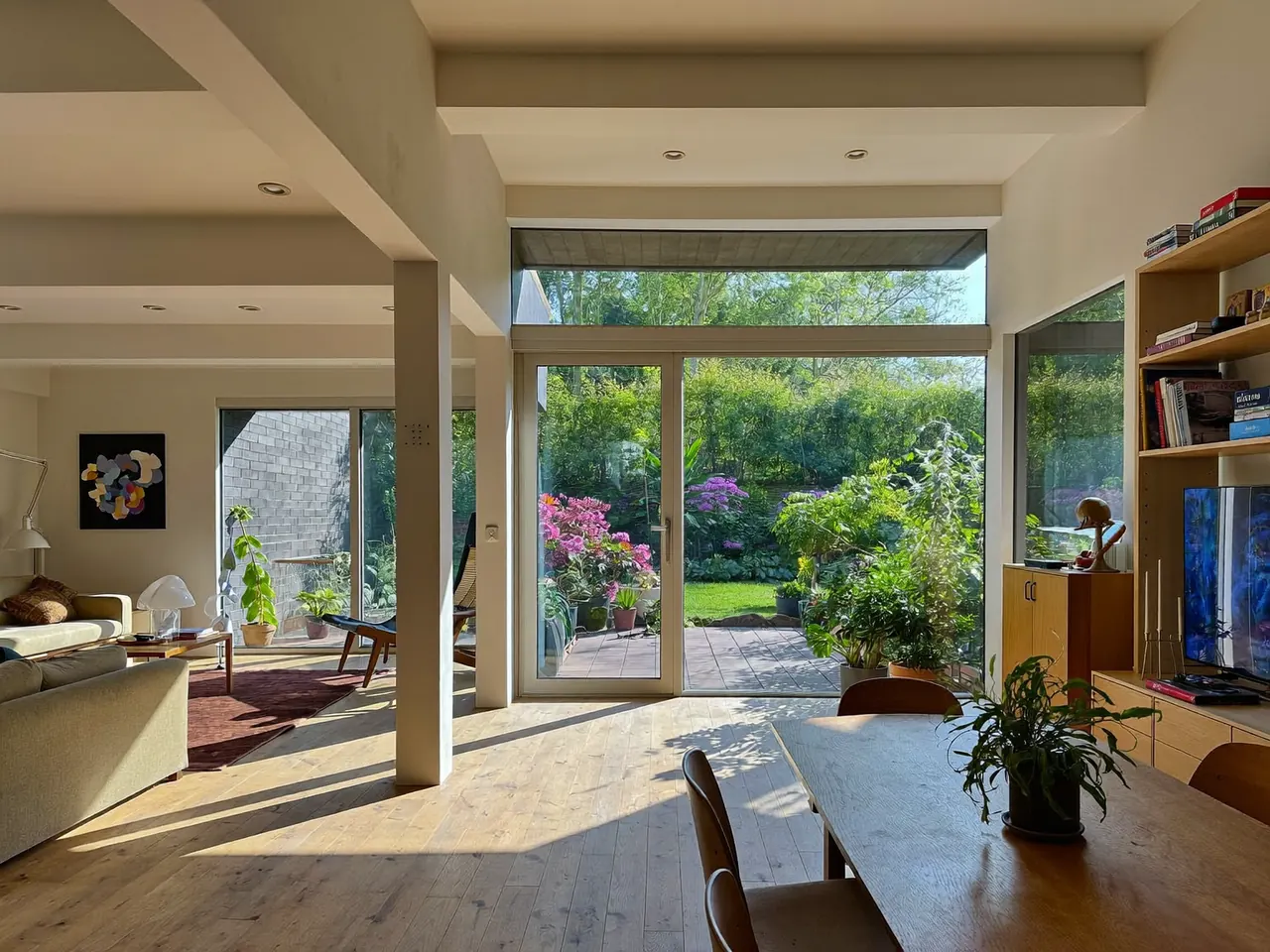
What the g-value measures
The g-value — also called the solar factor or, in some markets, SHGC — is the fraction of the sun’s energy that passes through the glazing and ends up as heat inside the room. It runs from 0 to 1: a g-value of 0.6 means about 60 per cent of the incoming solar energy becomes usable warmth indoors. A higher g-value lets in more solar heat; a lower one holds more of it out. Plain double glazing sits fairly high, while heavily coated or solar-control glass sits lower by design.
The trade-off with heat loss
Here is the tension. The same low-E coatings that reflect radiated heat back into the room can also reflect some incoming solar heat away, nudging the g-value down. So a unit tuned purely for the lowest U-value may let in slightly less winter sun than a unit tuned to welcome solar gain. Good glass balances the two: keeping the U-value low while letting a worthwhile amount of solar warmth through. The best mix depends on the room.
Orientation changes the answer
Which way a window faces should steer the choice. A large south-facing window can bank real solar heat over a UK winter, so a higher g-value pays off — provided you have some shading or blinds to manage the odd hot summer afternoon. North-facing windows get little direct sun, so there is less solar gain to chase and priority shifts to the lowest possible heat loss. East and west windows catch low, glaring sun morning and evening, where solar-control glass can help curb overheating.
Where it shows up on ratings
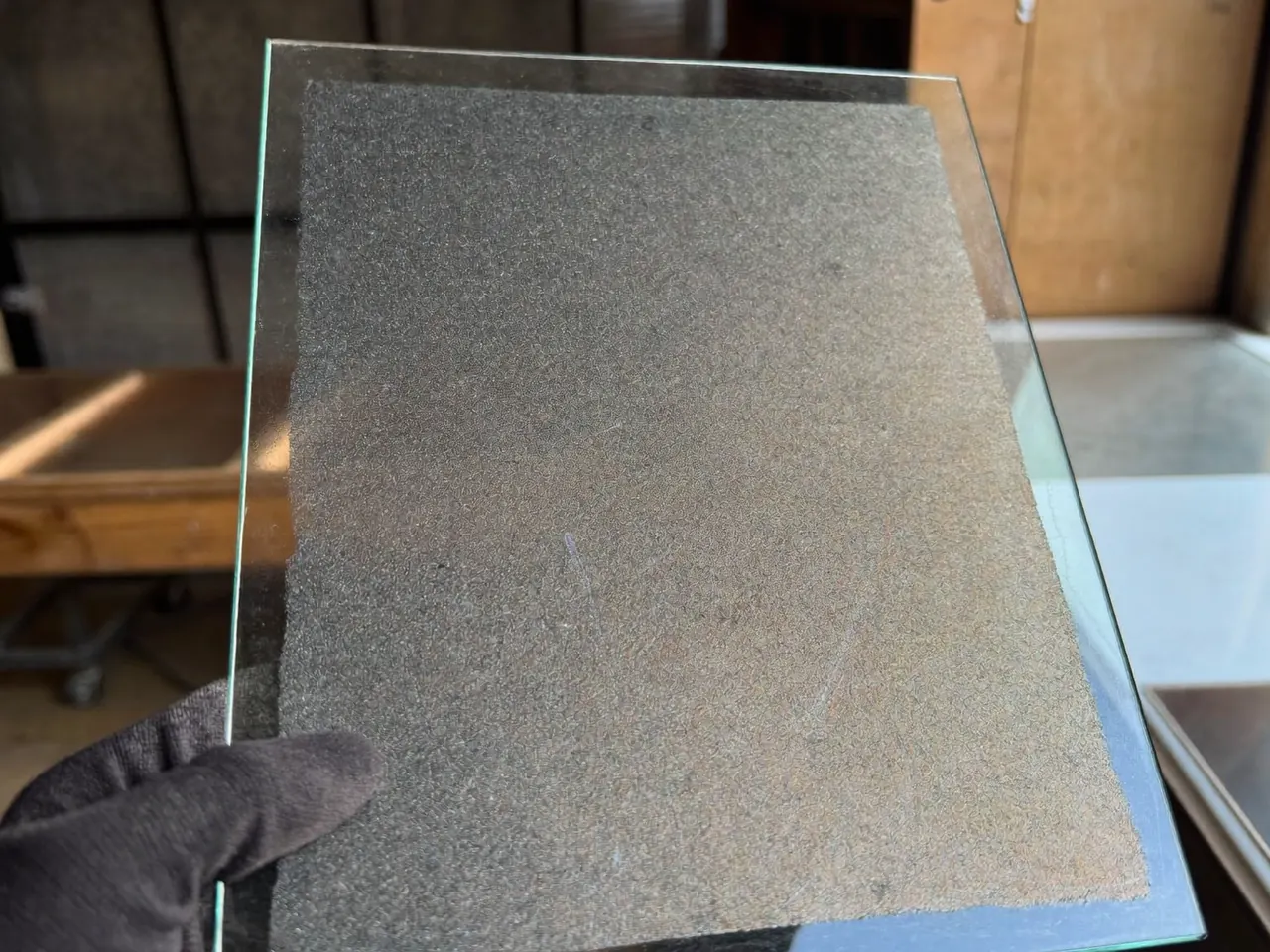
Solar gain is one of the ingredients behind a Window Energy Rating: the rating balances heat lost through the window against solar heat gained and air leakage, which is why a window with strong solar gain can rate well even if its U-value is not the very lowest on the market. For the full picture of how ratings are built, it is worth reading up on U-values and window energy ratings explained. The way solar gain interacts with insulation also feeds into the double glazing payback period, because winter solar warmth offsets some of your heating.
Getting it right
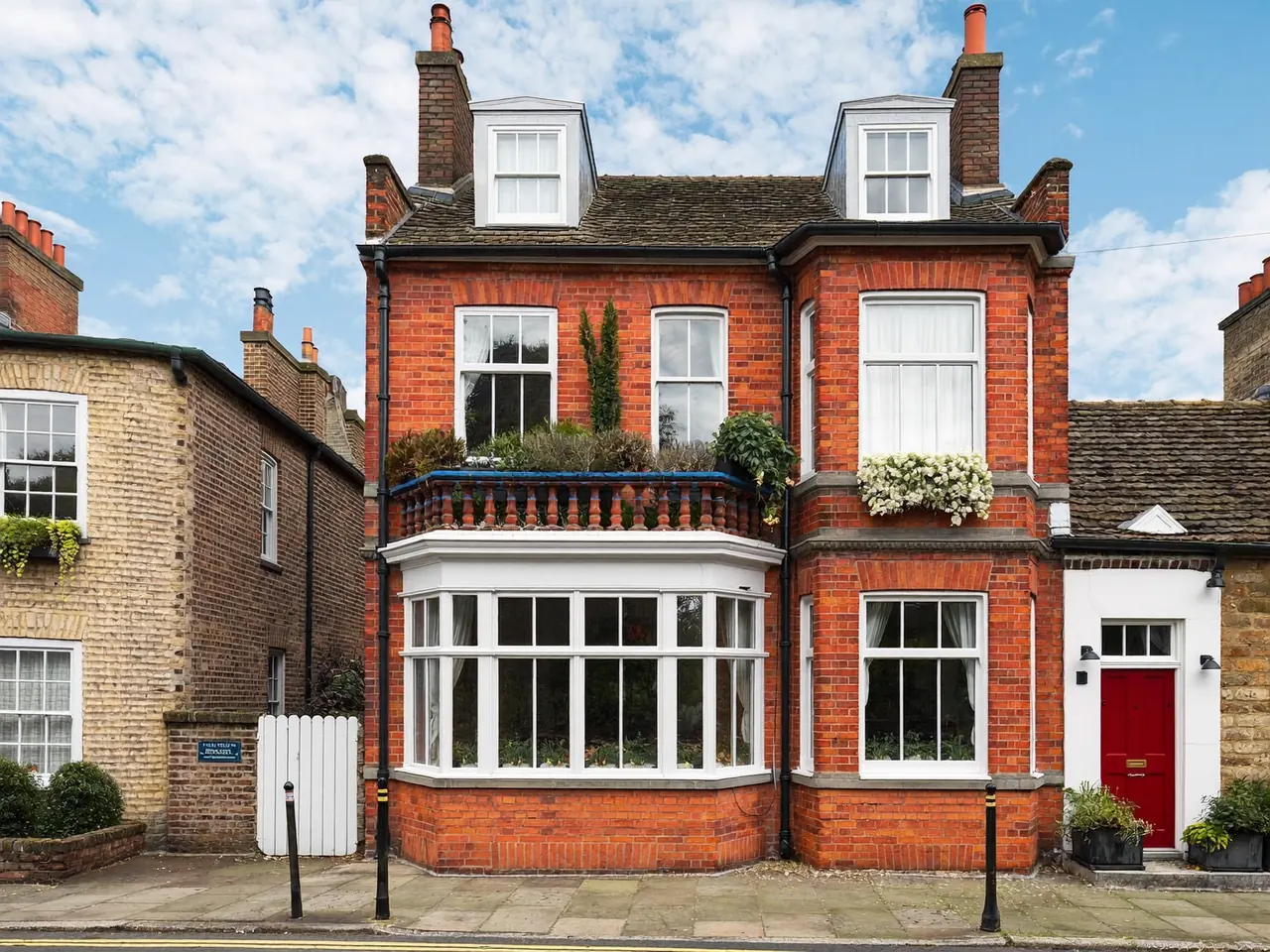
You rarely need to specify a g-value yourself, but it helps to raise orientation with your installer so the glass suits each room. When you gather prices, know what to look for on a glazing quote and match the tech to your frame material. If cost is the sticking point you may be able to spread the cost with funded glazing, subject to eligibility and a home survey.
Any solar-gain or savings figures here are indicative typical ranges from Energy Saving Trust and manufacturer data, not promises — the real effect depends on your home, its aspect and the glass you choose.