Start here
Double glazing technology explained
Two panes of glass look much the same from across the room, yet one sealed unit can lose heat far faster than another. The difference lives inside the glass. Modern double glazing technology is really three quietly clever ideas working together — an insulating gas fill, a warm-edge spacer bar and a low-emissivity coating — each tackling a different way that warmth escapes. This is the map of how those parts fit, and where each one saves you money.
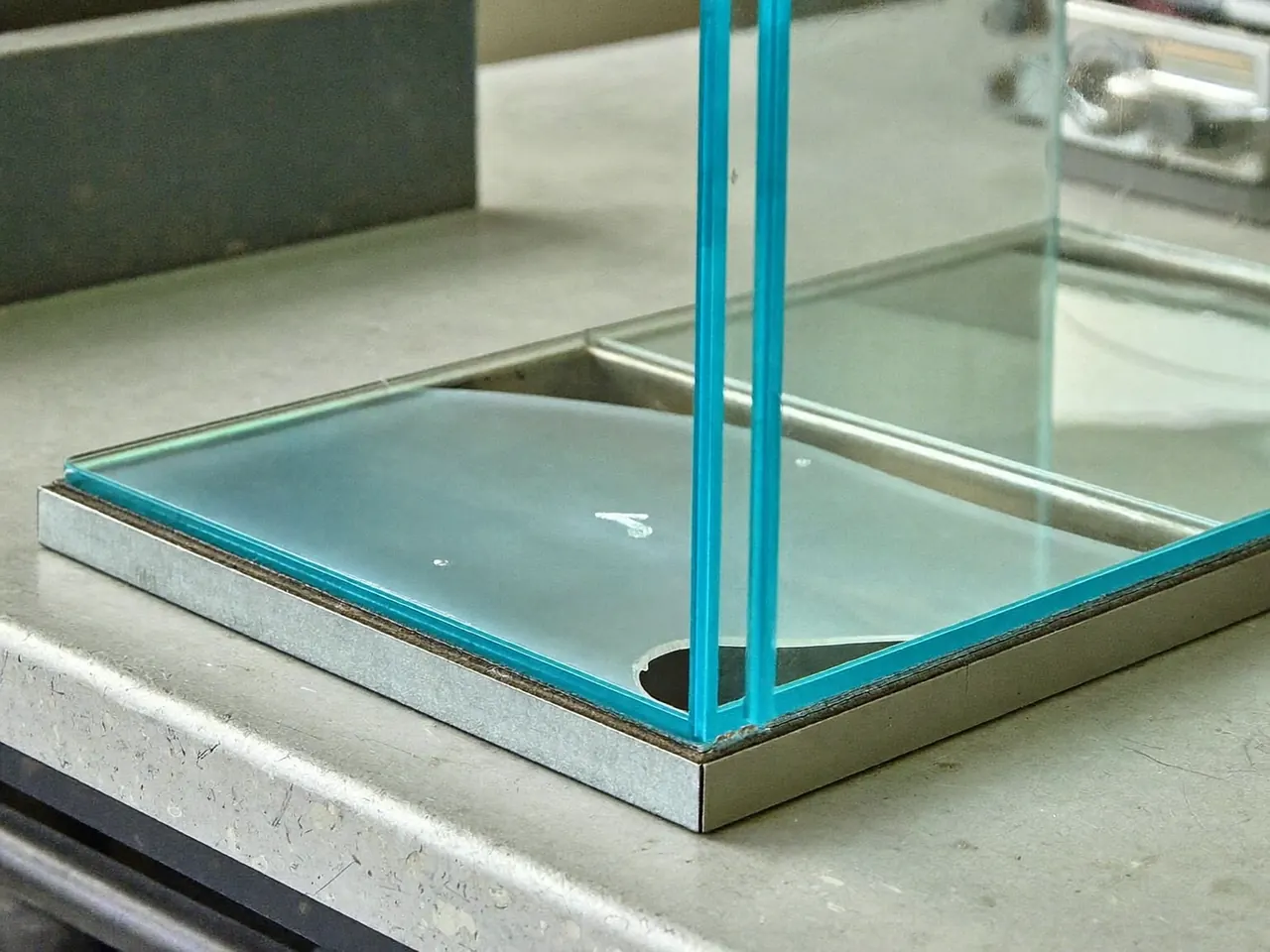
Heat leaves a window three ways
Understand the three exits and the whole subject falls into place. Heat conducts and convects across the cavity between the panes; it radiates outward as long-wave infra-red from the warm inner glass; and it escapes at the edges, where the spacer meets the frame. A well-built sealed unit has a dedicated answer to each: the gas fill slows the cavity losses, the low-E coating reflects the radiated heat back inside, and the warm-edge spacer keeps the perimeter closer to room temperature.
Because they act on different mechanisms, the gains stack. A coated unit with an argon fill and a warm-edge spacer will comfortably out-perform a thicker, plain-air unit with an aluminium spacer — even though the two can look identical once fitted.
The three technologies, in brief
- Gas fill. The cavity is filled with a heavier, less mobile inert gas — usually argon, occasionally krypton in slimmer units — which slows the convection that carries heat across the gap. Read our guide to argon vs krypton gas-filled units.
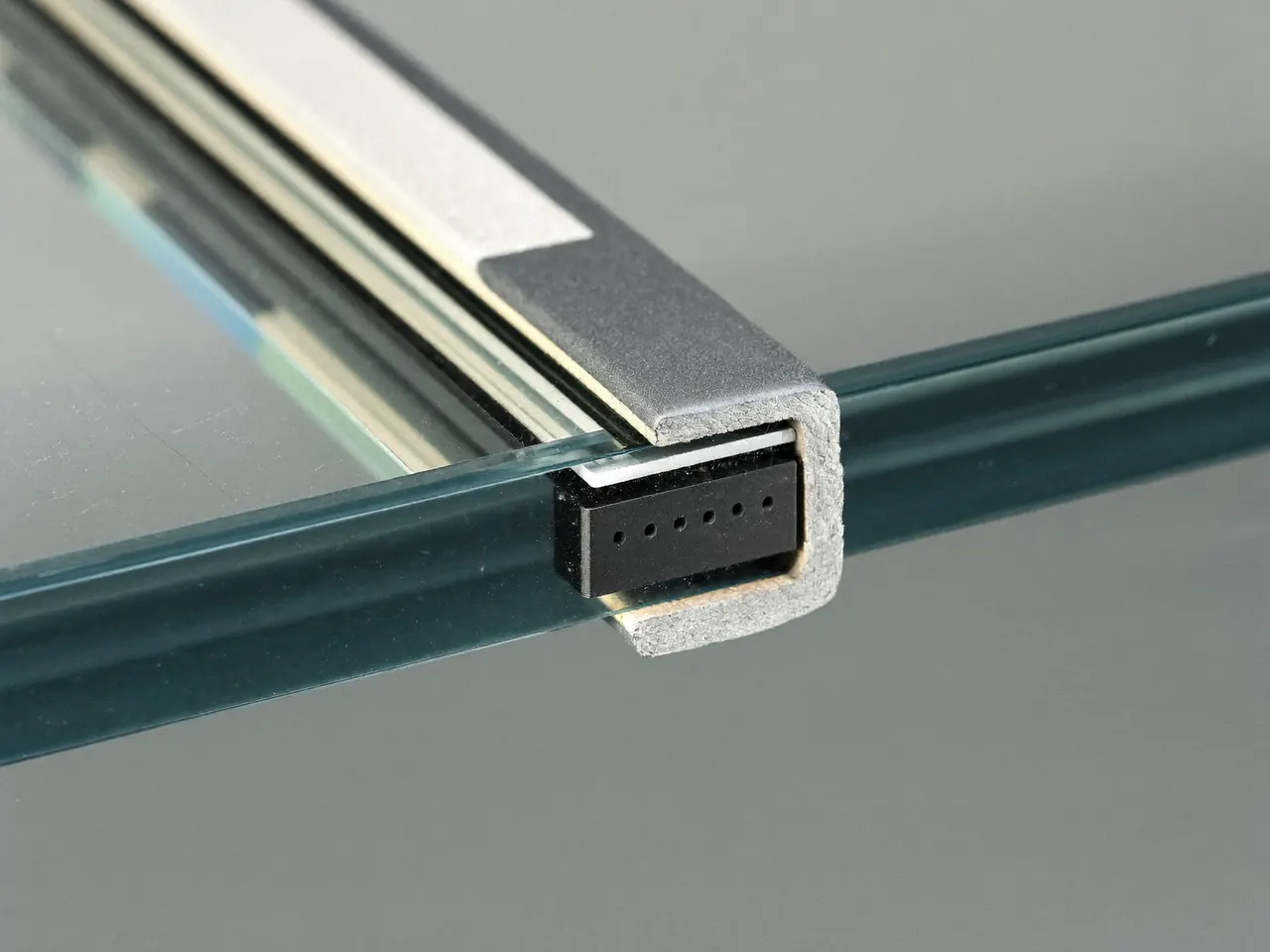
- Warm-edge spacer. The bar around the perimeter holds the panes apart, seals the gas in and keeps a desiccant dry. A warm-edge version swaps conductive aluminium for low-conductivity materials. See warm-edge spacer bars explained.
- Low-E coating. A microscopically thin metal-oxide layer reflects radiated heat back into the room while still letting daylight through. Learn the difference between soft-coat and hard-coat low-E glass.
How the unit is put together
All of this is assembled and sealed in a factory, not on your windowsill. Two panes are bonded to the spacer with a double seal, the cavity is filled and the whole thing is locked shut so the performance is fixed before the unit ever reaches your frame. Our walk-through of how a sealed glazing unit is made shows each step, and if you are weighing thicker versus slimmer units it is worth understanding cavity width and performance — the air gap has a genuine sweet spot.
Beyond keeping heat in
Good glazing does more than trap warmth. The same coatings and construction decide how much solar heat comes in through the glass — see g-values and solar gain — and whether the inside of the pane runs cold enough for condensation to form at the edges. When it is time to compare suppliers, our note on getting an energy-saving glazing quote lists the numbers worth asking for, and the double glazing payback period guide sets realistic, attributed expectations for how long the upgrade takes to earn its keep.
Where to read next
If you are just starting to shop around, it helps to know what to look for on a glazing quote and to match the tech to your frame material, since the frame and the glass work as a pair. For the frame-and-rating side of the story you can read up on U-values and window energy ratings explained, and if budget is the sticking point you can often spread the cost with funded glazing — funding and contribution options are subject to eligibility and a home survey.
A quick note on numbers throughout these guides: any savings, energy or payback figures are indicative typical ranges drawn from Energy Saving Trust and manufacturer data, not promises. Your own result depends on your home, so treat every figure as a range and let a home survey give you the realistic picture.