Cavity
Cavity width and glazing performance
It is tempting to assume a wider air gap always means a warmer window. It does not. The gap between the panes — the cavity — has a genuine sweet spot, and pushing past it can make a unit perform slightly worse, not better. This guide explains why the double glazing air gap behaves the way it does, where the sweet spot sits, and how the cavity width ties in with the gas fill you choose.
Why the gap matters
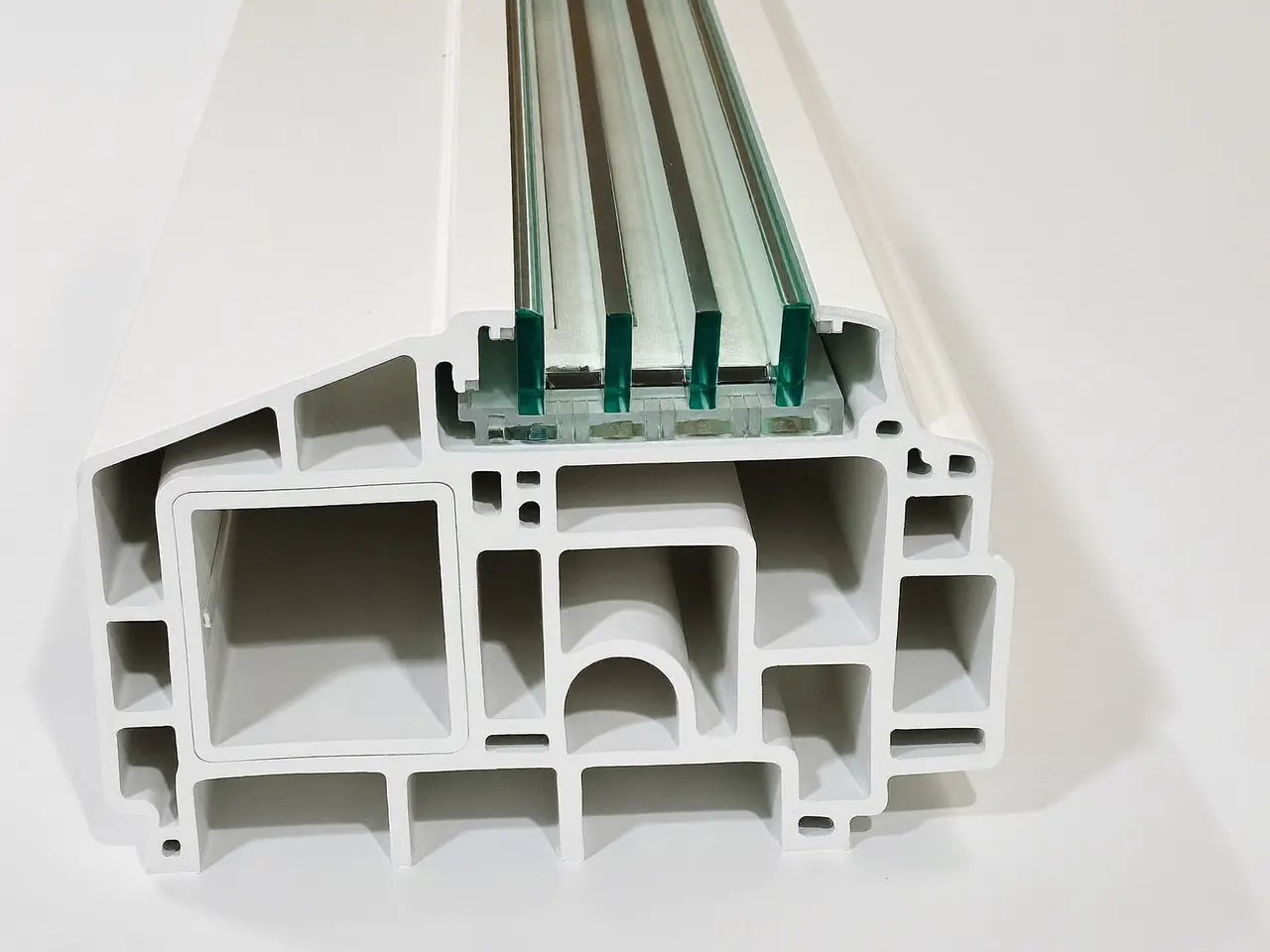
The cavity insulates by trapping a layer of still gas between the panes. Widen it a little and there is more gas to slow conduction, so heat loss falls. But go too wide and the gas layer starts to circulate: warm gas rises against the inner pane, cools against the outer one and sinks, forming a convection loop that actually carries heat across the gap. So performance improves as the cavity grows — up to a point — then flattens off and can even dip once convection sets in.
Where the sweet spot sits
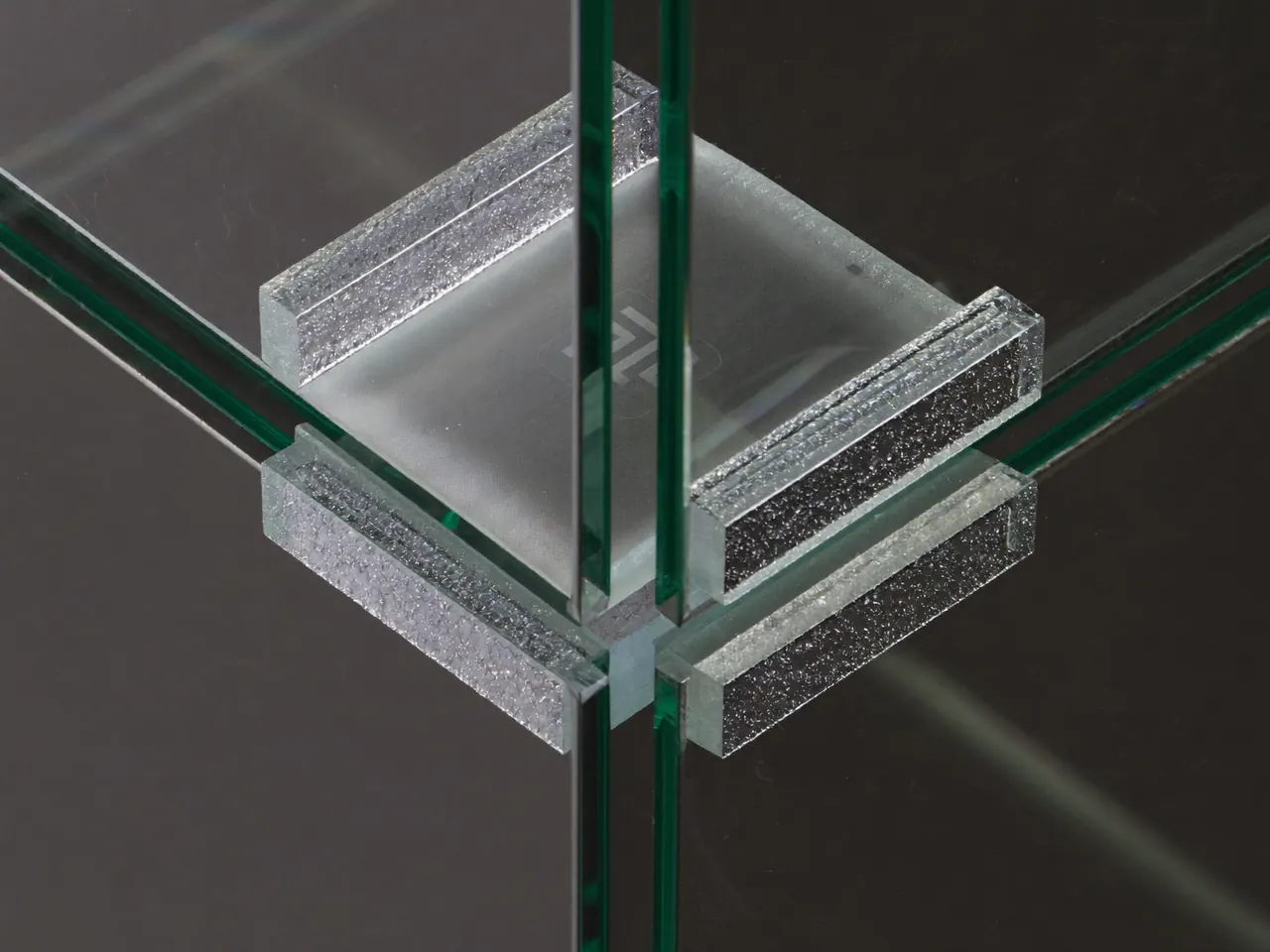
For an argon-filled unit, the best balance typically falls around 16 mm, with roughly 14 to 20 mm all performing well. Below that, there is less insulating gas; much above it, convection begins to eat into the gain. That is why a chunky-looking unit with a very wide cavity is not automatically better than a well-designed 16 mm one. The warm-edge spacer bar is what sets this width, so the spacer choice quietly fixes the cavity dimension too.
Cavity width and the gas fill
The sweet spot moves with the gas. Because krypton is denser and resists convection at a smaller spacing, it reaches its best performance across a narrower gap — which is exactly why slim and triple-glazed units favour it. Argon needs a wider cavity to hit its stride. This is the practical link between cavity width and the argon versus krypton decision: choose the gas to suit the space you have. In a slim heritage frame that cannot take a 16 mm cavity, krypton lets the unit still perform well; in a standard frame, argon at a wider spacing is the value choice.
Overall thickness and the frame
Cavity width is only one part of the unit’s total thickness, which also includes the panes themselves. The frame has to accommodate the whole sealed unit, so there is a limit to how thick you can go before the frame or the sightlines dictate the answer. This is where glass and frame have to be chosen together, and why it pays to match the tech to your frame material rather than treating them separately. Triple glazing raises the same question with an extra pane and two cavities to fit in.
What to check
Rather than chasing the widest gap, look for a sensible cavity matched to the right gas and a warm-edge spacer. When you gather prices, know what to look for on a glazing quote, and read up on U-values and window energy ratings explained so you can compare units on measured performance. If budget is the barrier you may be able to spread the cost with funded glazing, subject to eligibility and a home survey.
Any performance figures here are indicative typical ranges from Energy Saving Trust and manufacturer data, not guarantees — the exact result depends on the unit, the frame and your home.