The upgraded units have made a real difference — the front rooms hold the heat far better in the evenings and we’re not reaching for the thermostat like we used to. Tidy fitters who explained the glass options clearly.Verified review · installed by Help 2 Buy Windows
Energy-saving double glazing, explained
It’s what’s inside the glass that saves you money
Gas fills, warm-edge spacers and low-E coatings do the real work in a sealed unit. See how the tech cuts heat loss — then get free, no-obligation quotes from installers near you.
- The physics of a sealed unit, in plain English
- Savings & payback shown as attributed ranges, never promises
- Quotes matched to homeowners right across the UK
See what your glazing could save
Two quick steps — no obligation, no pushy calls.
Anatomy of a sealed unit
Look inside the glass
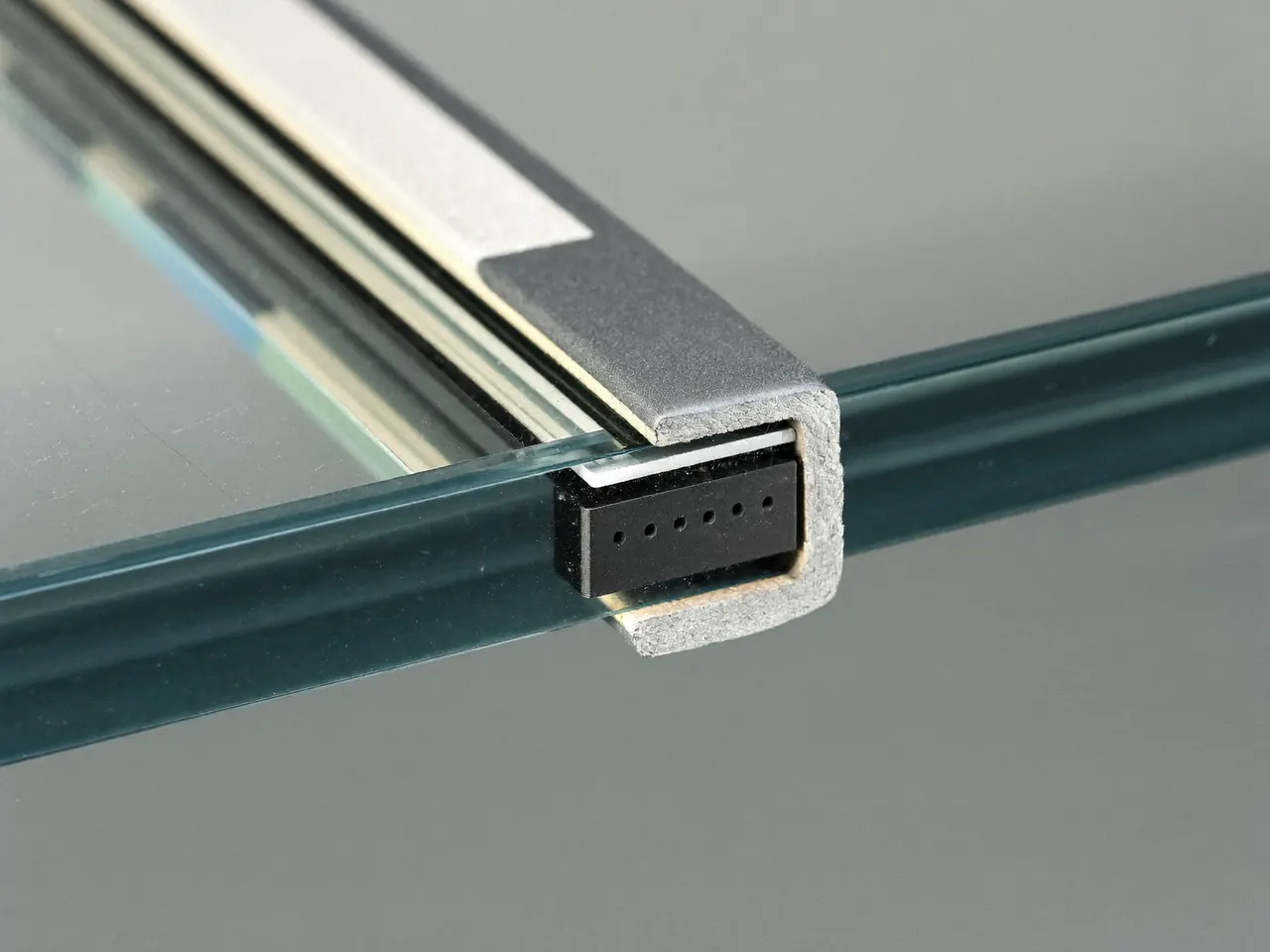
A modern double-glazed unit is really three technologies working together. Here’s what each part does — annotated on a cross-section of the sealed unit.
Argon fill
The cavity is filled with a heavier-than-air inert gas, usually argon. It slows the tiny convection currents that carry heat across the gap, so less warmth escapes through the middle of the glass.
Low-E coating
A microscopically thin metal-oxide coating on the inner pane reflects long-wave heat back into the room while still letting light through. It’s the single biggest lever on a unit’s U-value.
Warm-edge spacer
The bar around the perimeter holds the panes apart and seals the gas in. A “warm-edge” spacer uses low-conductivity materials instead of aluminium, cutting heat loss at the edges and the cold spots where condensation forms.
A note on the numbers: Typical savings and payback figures on this site are indicative ranges, drawn from Energy Saving Trust and manufacturer data. Your own result depends on your home, so treat every figure as a range rather than a promise.
The physics, briefly
How the tech actually saves energy
Heat leaves a window three ways — through the glass, around the edges and by radiating out. Each layer of the sealed unit tackles one of them.
01 / CONDUCTION & CONVECTION
The gas-filled cavity slows heat crossing the gap
Swapping plain air for argon — or krypton in slimmer units — reduces the heat that conducts and convects from the warm inner pane to the cold outer one. Cavity width matters here too, and there’s a sweet spot.
02 / RADIATION
The low-E coating reflects heat back inside
Most of the heat a room loses through glass is radiated. A low-emissivity coating bounces that long-wave heat back in, which is why a coated unit can out-perform a thicker uncoated one.
03 / EDGE LOSS
The warm-edge spacer kills the cold border
The perimeter is where old units gave up heat and grew condensation. A warm-edge spacer keeps the edge of the glass closer to room temperature, so the whole pane works — not just the middle.
Want the frame side of the story too? It’s worth reading up on U-values and window energy ratings explained, and if budget is the sticking point you can often spread the cost with funded glazing — funding and contribution options are subject to eligibility and a home survey.
Built as one sealed unit
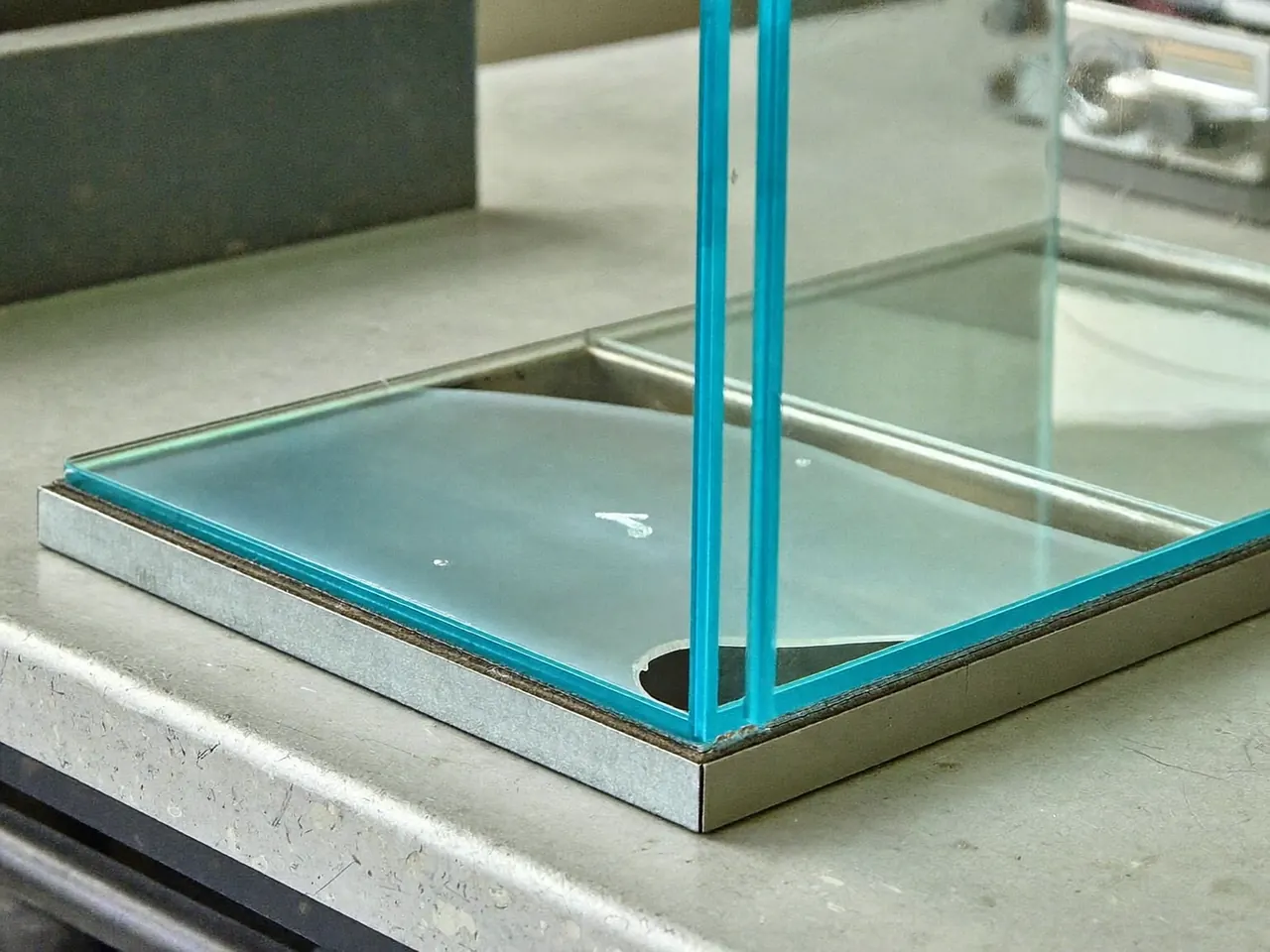
Two panes, a spacer full of desiccant to keep the cavity dry, the gas fill and a double seal — assembled and sealed in the factory so the performance is locked in before the unit ever reaches your frame.
Verified by Trustpilot
What customers say about our installation partner, Help 2 Buy Windows
12,000+ reviews
The UK’s No.1 double glazing installer, rated 4.9 on Trustpilot
We used to wipe condensation off the windows every winter morning. Since the new sealed units went in that’s gone completely, and the bedrooms feel warmer. Smooth process from survey through to fitting.Verified review · installed by Help 2 Buy Windows
We’re on a busy road, and the thing that surprised us most was the quiet — noticeably quieter with the upgraded glazing. Friendly team, no mess left behind and everything explained before they started.Verified review · installed by Help 2 Buy Windows
Savings-tech guides
Match the tech to your savings
Short, plain-English guides to the parts of a sealed unit that decide how much heat — and money — stays in your home.
Start here
Glazing technology explained
The full map of what makes a sealed unit efficient, and how the pieces fit together.
Read the guide Gas fillArgon vs krypton gas-filled units
Which gas fill, when krypton earns its keep, and where the extra cost is worth it.
Read the guide SpacerWarm-edge spacer bars explained
Why the perimeter matters, and how warm-edge spacers cut edge heat loss.
Read the guide CoatingLow-E coatings: soft vs hard
Soft-coat versus hard-coat low-E glass, and what the difference means for performance.
Read the guide ConstructionHow a sealed glazing unit is made
From panes and spacer to gas fill and double seal — how the unit is built and sealed.
Read the guide Solar gainG-values & solar gain
How much free warmth the sun brings in, and the trade-off with keeping heat from escaping.
Read the guide CondensationCondensation & warm-edge tech
Why condensation forms at the edges, and how warmer edges keep the glass clear.
Read the guide PaybackDouble glazing payback period
How payback is worked out, shown as attributed ranges from Energy Saving Trust and manufacturer data.
Read the guide CavityCavity width & performance
Why the air gap has a sweet spot, and what happens when it’s too wide or too narrow.
Read the guide QuotesGetting an energy-saving glazing quote
What to ask for on the spec sheet so you can compare quotes on the tech, not just the price.
Read the guideBefore you compare prices, it helps to know what to look for on a glazing quote and how to match the tech to your frame material.
Book while diaries are open
Warmer, quieter rooms before winter
Installers have survey appointments in many areas this month. Get free, no-obligation quotes and see how the right glazing tech stacks up for your home. £0-upfront options may be available for those who qualify, subject to eligibility and a home survey.
Common questions
Glazing-tech questions, answered
Does the gas inside double glazing really make a difference?
Yes. Filling the sealed cavity with an inert gas such as argon slows the heat that moves across the gap compared with plain air. Krypton performs a little better in very slim cavities. It’s one of several factors — the low-E coating and the spacer matter just as much — but the gas fill is a genuine, measurable part of a unit’s efficiency.
What is a warm-edge spacer, and why does it matter for condensation?
The spacer is the bar around the perimeter that holds the two panes apart and seals the gas in. Older aluminium spacers conduct heat quickly, leaving a cold border where condensation forms. A warm-edge spacer uses low-conductivity materials, keeping the edge of the glass closer to room temperature so it stays clearer and loses less heat.
What’s a low-E coating?
A low-emissivity (low-E) coating is a microscopically thin metal-oxide layer on the glass that reflects long-wave heat back into the room while still letting daylight through. It’s usually the single biggest lever on a unit’s U-value, which is why a coated unit can out-perform a thicker uncoated one.
How much could new glazing save me?
It depends on what you have now, your home and your energy use, so any figure is an indicative range rather than a promise. The Energy Saving Trust and manufacturers publish typical annual savings ranges for replacing older glazing with modern energy-efficient units — treat those as a guide, and a home survey will give you a realistic picture for your property.
What’s the payback period on double glazing?
Payback varies widely with your starting point, energy prices and the units you choose, so it’s best read as a range of years rather than a fixed number. Our double glazing payback period guide walks through how it’s calculated using attributed Energy Saving Trust and manufacturer data.
Do I have to be the homeowner to get quotes?
The quotes are aimed at homeowners. If you rent or don’t own the property you can still request information, but an installer will need the homeowner’s go-ahead before any work is agreed.