Coating
Low-E coatings: soft coat vs hard coat low-E glass
If the gas fill and the spacer are the supporting cast, the low-emissivity coating is the star. This microscopically thin metal-oxide layer is usually the single biggest lever on a sealed unit’s U-value, because most of the heat a room loses through glass is radiated rather than conducted. There are two families of coating — soft coat and hard coat — and knowing the difference helps you read a spec sheet and understand why one unit outperforms another that looks the same.
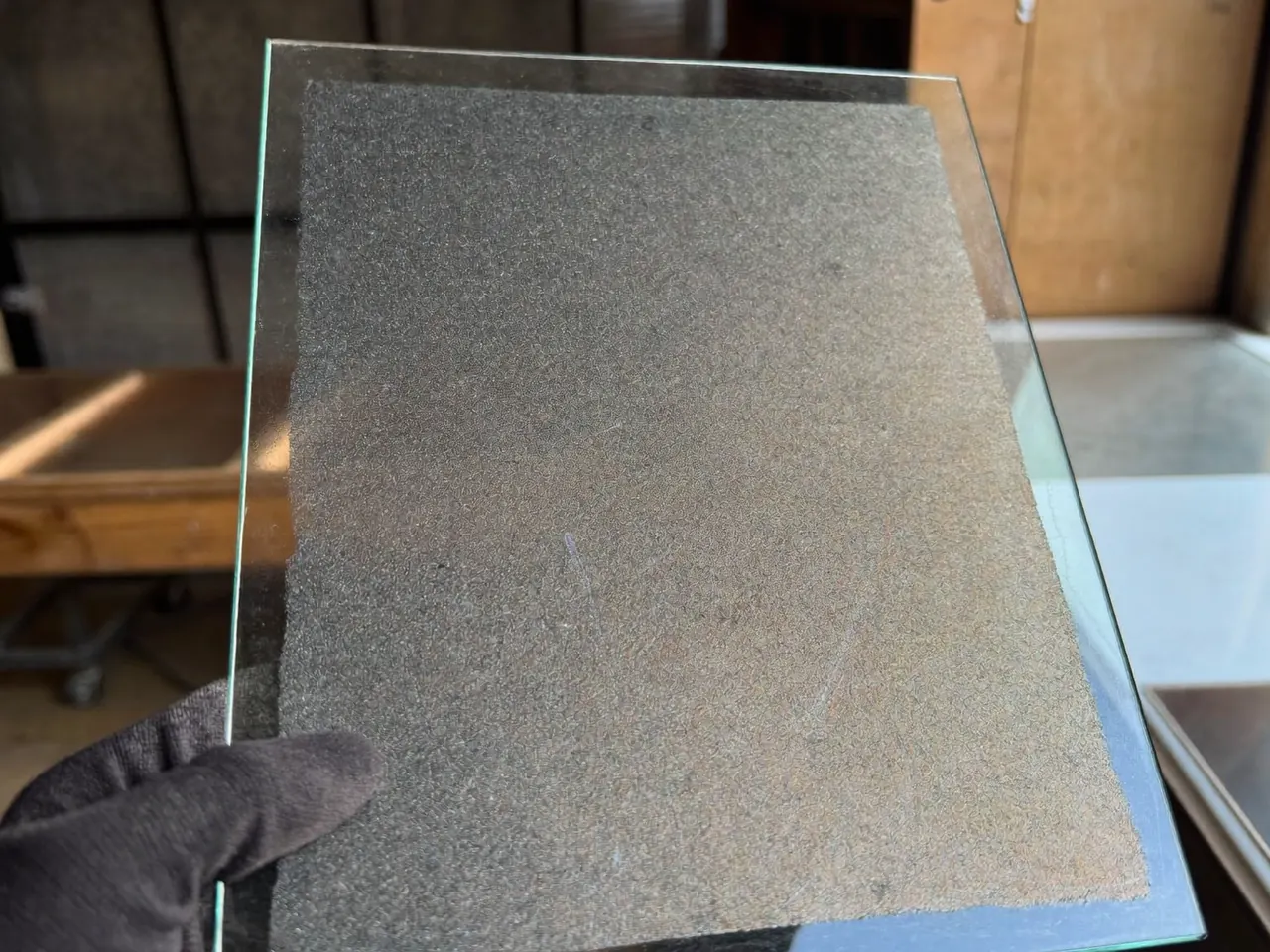
What a low-E coating does
Warm objects radiate heat as long-wave infra-red. A low-E coating is engineered to reflect that long-wave heat while still letting visible daylight pass through. Face the coating into the cavity and it bounces radiated warmth back into the room in winter, so the glass loses far less heat than a plain pane. It is why a coated unit can out-perform a thicker, uncoated one: the coating attacks the largest single loss directly.
Hard coat (pyrolytic)
Hard-coat low-E glass is made by depositing the coating while the glass is still hot during manufacture, so it fuses into the surface — hence “pyrolytic”. That makes it tough and durable: it can be handled, stored and even used as single glazing without special care. The trade-off is that it is slightly less efficient than soft coat and can carry a very faint haze or tint. Its robustness makes it a sensible pick where the coated surface may be exposed or where glass is processed long before assembly.
Soft coat (sputtered)
Soft-coat low-E glass is made by applying ultra-thin layers of silver and metal oxides onto cooled glass in a vacuum chamber — a process called sputtering. It delivers the best thermal performance and the most neutral, colour-true appearance, which is why it dominates modern sealed units. The catch is that the coating is delicate and can oxidise if exposed to air, so it must sit on an inner cavity surface and be sealed inside the unit. Inside a well-made sealed unit that fragility is a non-issue, because it is protected for life.
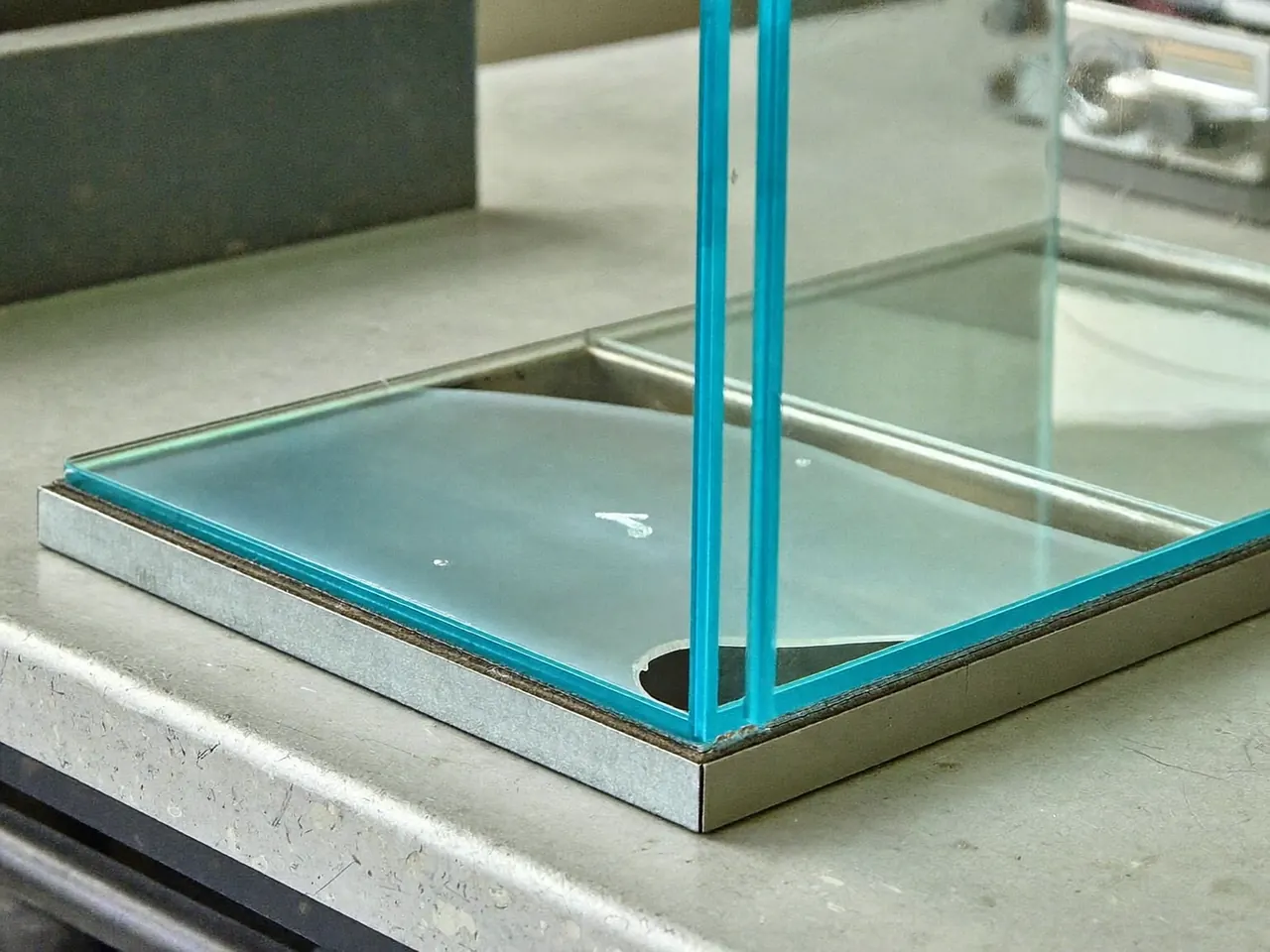
Which should you choose?
For the great majority of replacement windows, a soft-coat low-E on the inner pane, paired with an argon fill and a warm-edge spacer, is the efficiency benchmark. Hard coat earns its place in specific situations rather than as the everyday default. The coating also interacts with how much solar warmth you let in — some coatings are tuned to keep more of that heat, which ties into g-values and solar gain. And because the coating only survives long-term inside a properly sealed unit, it is worth understanding how a sealed glazing unit is made.
Reading it on a quote
A good quote names the low-E product and where the coating sits. When you gather prices it helps to know what to look for on a glazing quote and to match the tech to your frame material, since coatings and frames are chosen together. For the ratings angle, read up on U-values and window energy ratings explained, and if the cost is a hurdle you may be able to spread the cost with funded glazing, subject to eligibility and a home survey.
Any performance figures here are indicative typical ranges from Energy Saving Trust and manufacturer data, not guarantees — the real gain depends on your existing glass, the coating you choose and your home.