Spacer
Warm-edge spacer bars explained
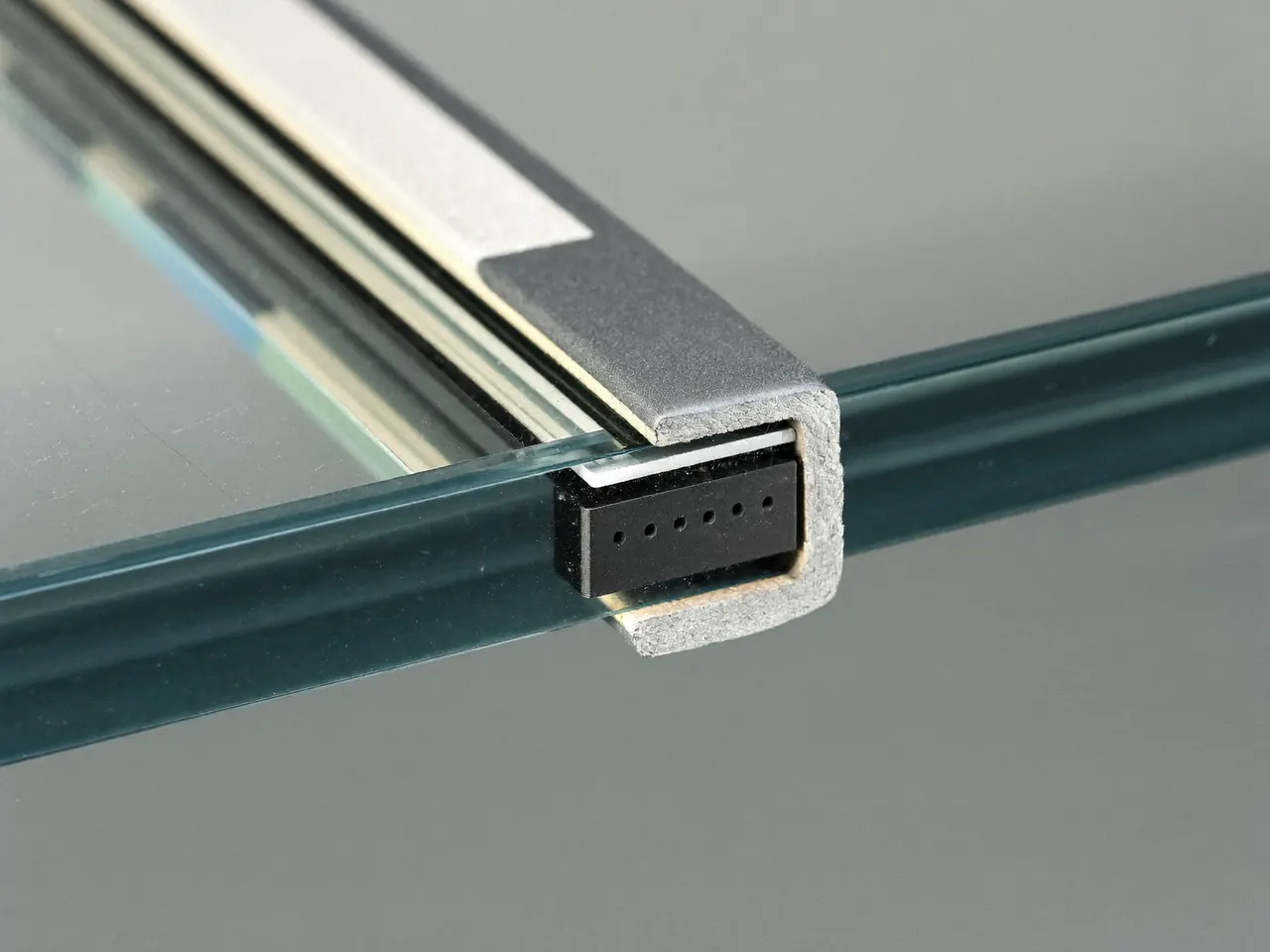
The spacer bar is the strip that runs around the perimeter of a sealed unit, holding the two panes apart and sealing the gas inside. It is easy to overlook — you only see a thin line at the edge of the glass — yet the material it is made from has a real effect on how warm your windows feel and whether their edges mist up. A warm-edge spacer bar is simply one built from low-conductivity materials instead of traditional aluminium, and this guide explains why that swap matters.
Why the edge is the weak point
The middle of a double-glazed pane is well insulated: two sheets of glass, a gas fill and often a coating all stand between the room and the weather. At the very edge, though, the two panes are bridged by the spacer. If that spacer conducts heat well — as aluminium does — it forms a thermal bridge, carrying warmth straight out and leaving a cold band a few centimetres wide around the glass. That cold border is where old units lose heat and where condensation first appears on a chilly morning.
What “warm-edge” actually means
A warm-edge spacer replaces the conductive metal with materials that resist heat flow: stainless steel formed into a thin-walled section, structural foam, or a plastic-and-metal composite. Because far less heat crosses the perimeter, the inner edge of the glass stays several degrees warmer than it would with aluminium. The result is a more even temperature across the whole pane — not just a warm middle and a cold frame — and lower heat loss overall.
The condensation connection
Condensation forms when moist indoor air meets a surface below its dew point. The coldest indoor surface on an old window is usually the glass edge, right above the aluminium spacer — which is exactly where you see that recurring line of water in winter. By keeping the edge warmer, a warm-edge spacer raises that surface above the dew point more of the time, so the glass stays clearer. We go deeper into this in our guide to condensation and warm-edge technology.
The spacer’s other jobs
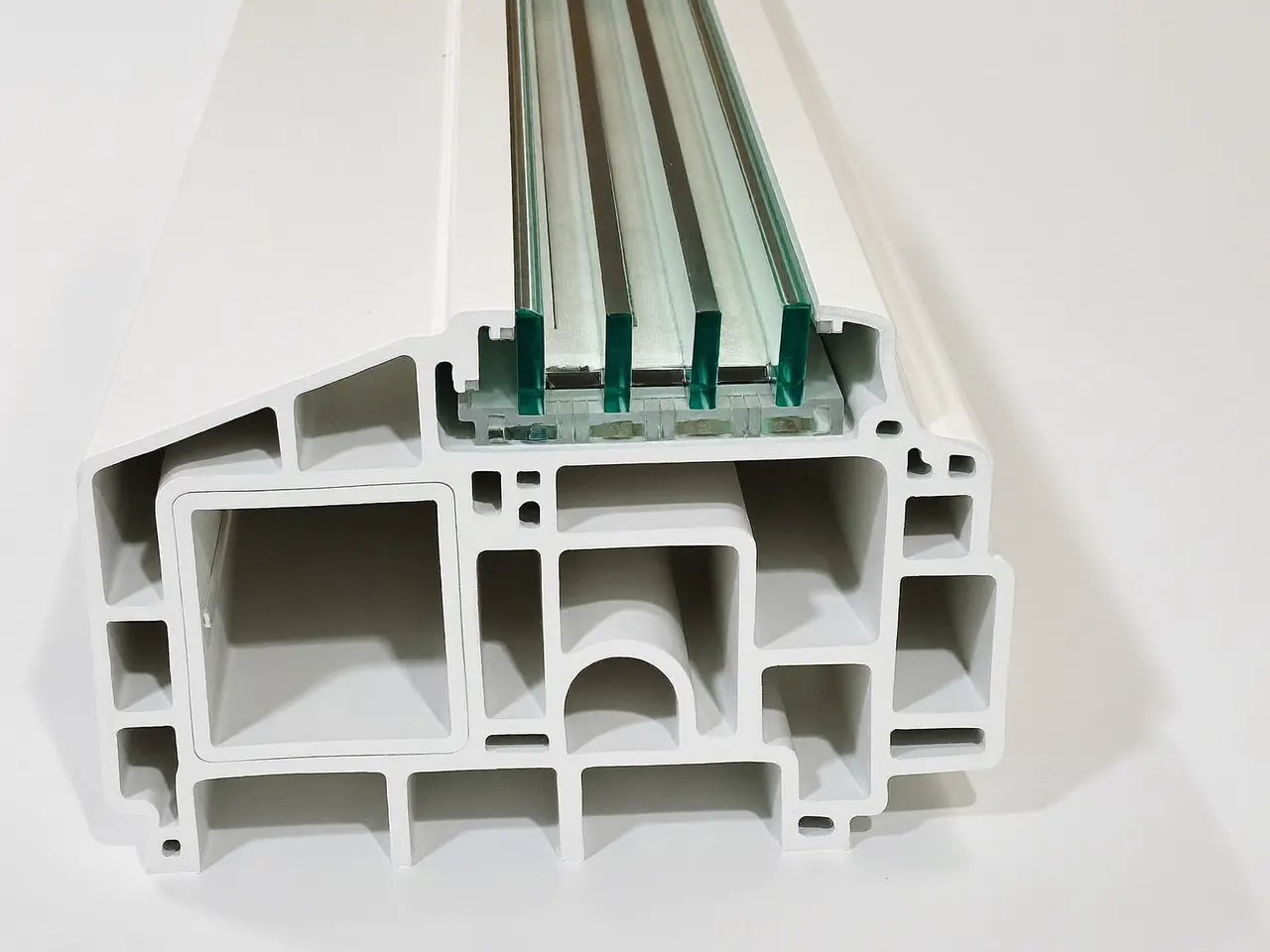
Beyond insulation, the spacer does the practical work of the unit. It holds a desiccant that absorbs any moisture trapped in the cavity at manufacture, keeping the space between the panes clear. It carries the primary and secondary seals that lock the gas fill in — so a good spacer is also what protects your argon or krypton gas fill from leaking away. And it sets the cavity width, which ties into how the air gap affects performance. In other words, the humble bar is doing insulation, sealing and structure all at once.
Is it worth specifying?
Warm-edge spacers add little to the price of a modern unit and are increasingly fitted as standard, so it is usually a case of confirming rather than upgrading. When you compare suppliers it helps to know what to look for on a glazing quote and to match the tech to your frame material. For the wider ratings picture, read up on U-values and window energy ratings explained, and if budget is the barrier you may be able to spread the cost with funded glazing, subject to eligibility and a home survey.
Any comfort or efficiency figures here are indicative typical ranges from Energy Saving Trust and manufacturer data rather than promises; your own result depends on your home and the units you choose.