Condensation
Condensation and warm-edge technology
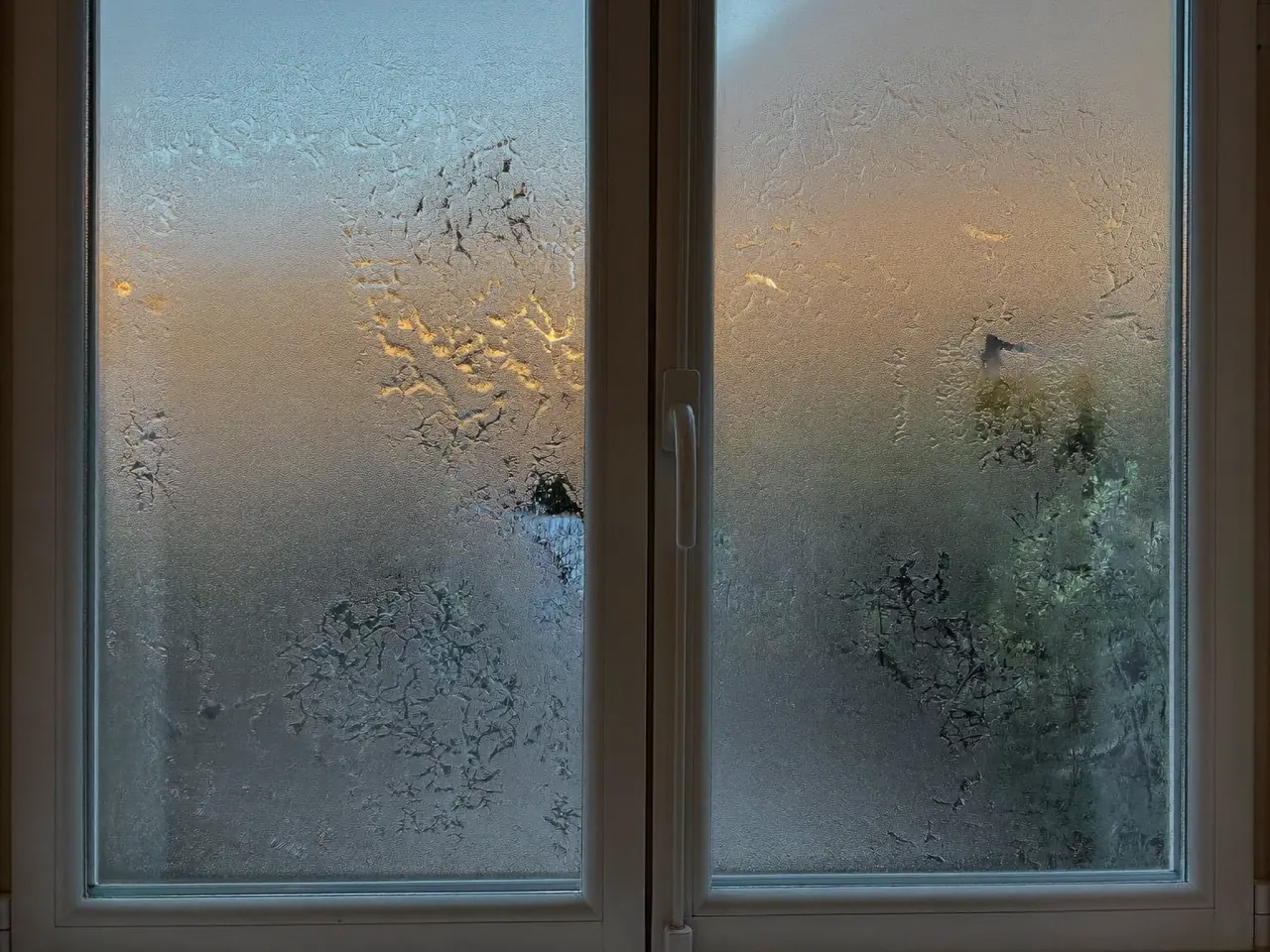
Condensation on double glazing is one of the most common winter complaints — and one of the most misunderstood. Where the water appears tells you a lot about whether it is a sign of a problem or simply physics doing its thing. This guide explains why condensation forms, the three different places it can show up, and how warm-edge technology keeps the glass edges warmer so your windows stay clearer through the cold months.
Why condensation happens at all
Air holds moisture, and warmer air holds more of it. When moist indoor air touches a surface colder than its dew point, some of that moisture condenses into visible water. Windows are usually the coldest indoor surfaces in a room, which is why they are the first place you notice it. The colder the glass, and the more humid the room, the more condensation you get — so cooking, drying laundry and even breathing all feed it.
Three kinds, three meanings
- Inside the room (on the room-side face). This is the everyday kind. It means indoor humidity has met cool glass. Warmer, better-insulated glazing and a little ventilation usually keep it in check.
- On the outside face. Occasionally the outer pane mists up on a clear, still morning. Counter-intuitively, this is a sign the glazing is working well — so little heat is escaping that the outer pane stays cold enough for dew to form, just as it does on a car roof.
- Between the panes. Misting inside the sealed cavity means the seal has failed and moisture has crept in. That unit cannot be cleaned and needs replacing — a good reason to understand how a sealed glazing unit is made.
Where warm-edge technology comes in
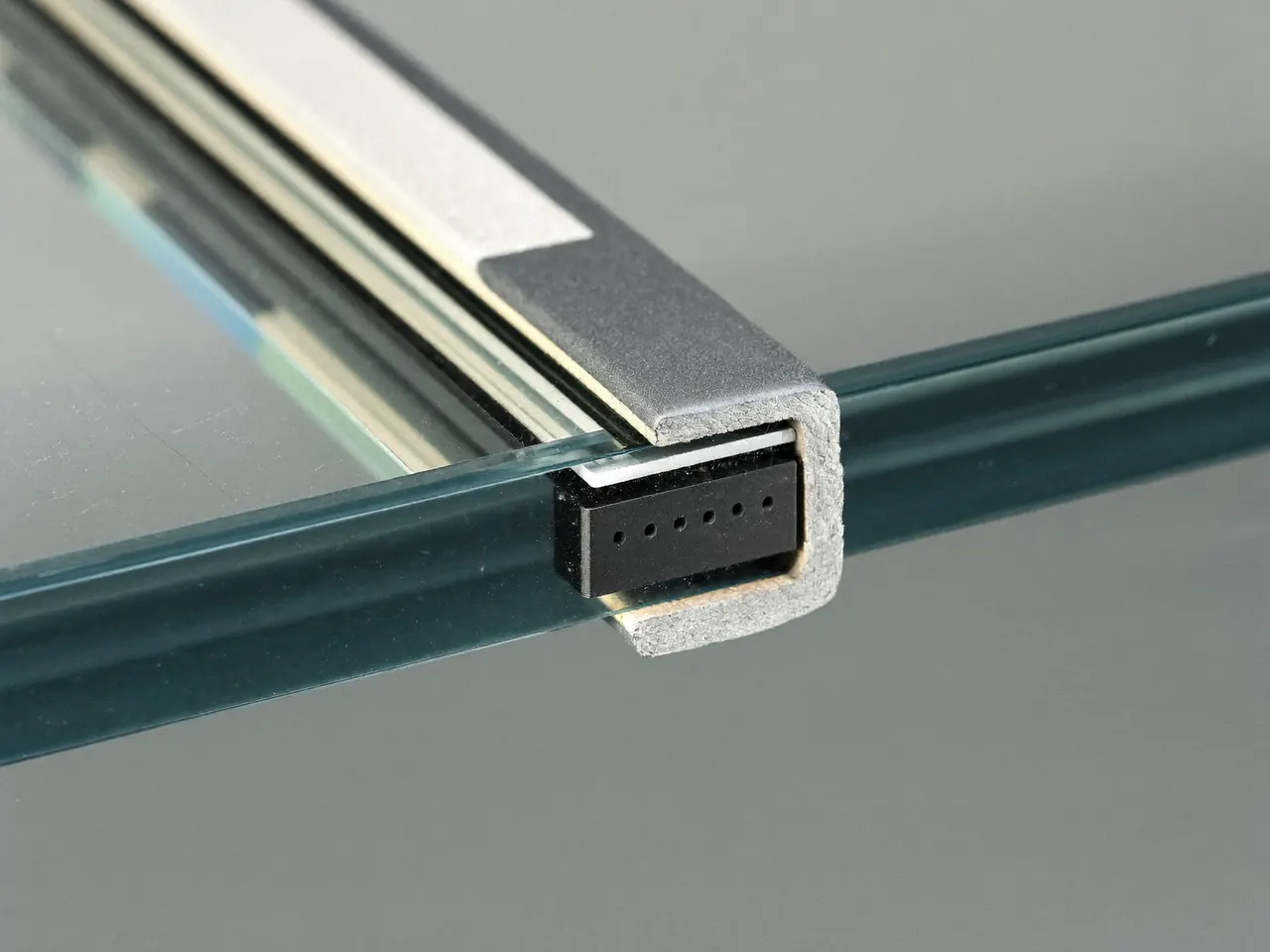
The coldest part of an insulated pane is its edge, right where the panes meet the spacer bar. With a conductive aluminium spacer, that edge runs several degrees colder than the centre of the glass, so the recurring band of condensation you see in winter forms exactly there. A warm-edge spacer bar uses low-conductivity materials to keep that edge warmer, lifting the surface temperature above the dew point more of the time. The glass then stays clearer for longer, and the cold-corner mould that a permanently damp edge can encourage is far less likely.
The bigger picture
Warmer edges are part of a warmer unit overall. The low-E coating and the gas fill raise the whole inner surface temperature, which reduces room-side condensation too. No window will banish condensation entirely if a room is very humid and poorly ventilated — managing moisture at source and letting air move still matter — but modern warm-edge units make a genuine, noticeable difference to how often you reach for the cloth.
Choosing units that stay clear
When you compare suppliers, ask about the spacer and the glass, and know what to look for on a glazing quote and how to match the tech to your frame material. For the ratings side, read up on U-values and window energy ratings explained, and if budget is the barrier you may be able to spread the cost with funded glazing, subject to eligibility and a home survey.
Any comfort or performance figures here are indicative typical ranges from Energy Saving Trust and manufacturer data rather than promises; your own result depends on your home, its humidity and the units you fit.