Construction
How a sealed glazing unit is made
The clever thing about modern double glazing is that its performance is built in at the factory, not on site. What arrives at your home is an insulated glass unit — two or three panes bonded to a spacer and sealed shut — assembled to a controlled recipe so the gas, the coating and the seal all do their jobs from day one. Understanding sealed unit construction makes it much easier to judge quality, spot a well-built unit and know why a failed seal is worth avoiding.
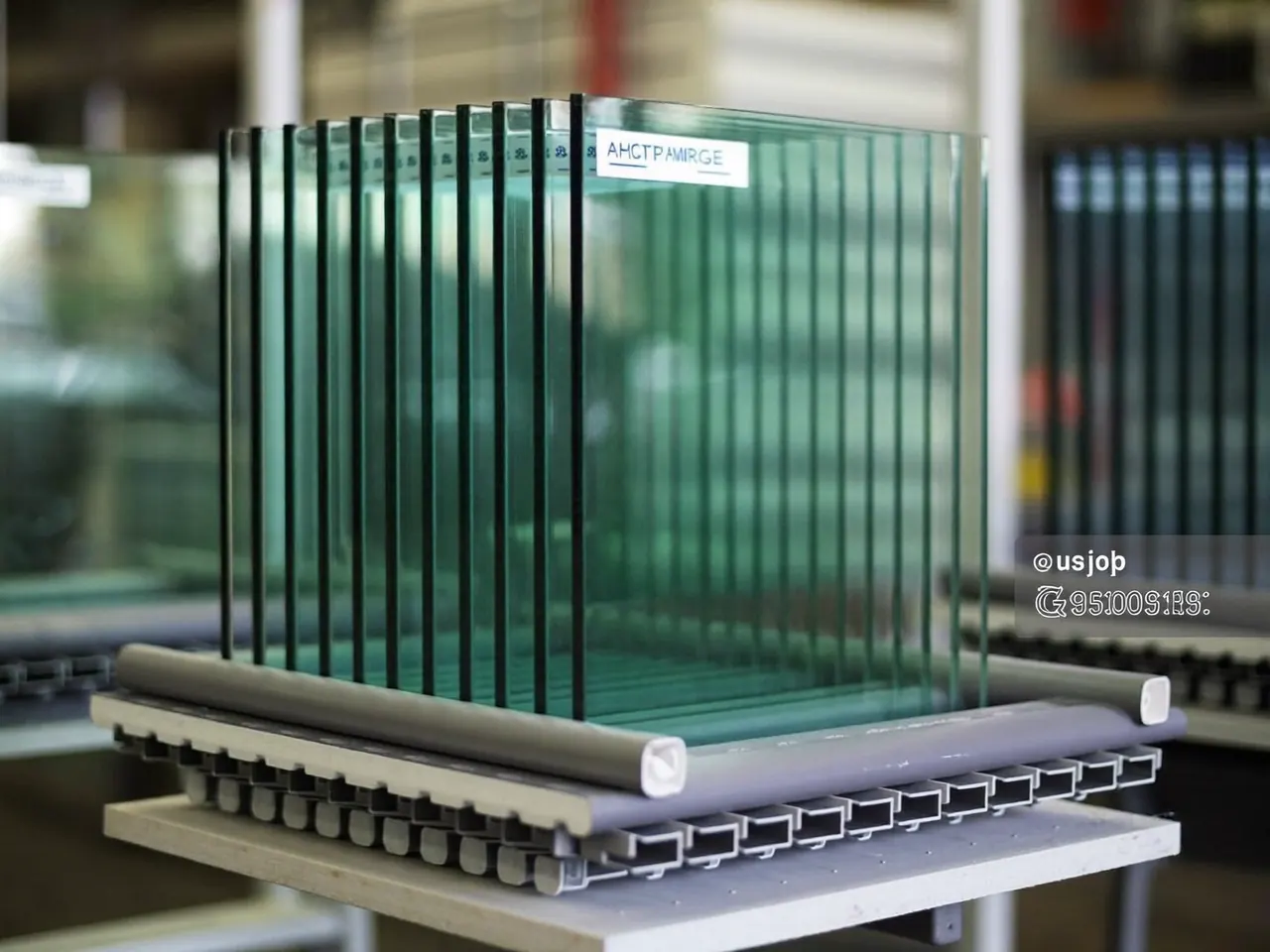
Step one: cutting and preparing the glass
It starts with the panes. Float glass is cut to size, the edges are worked, and each pane is washed and dried to a spotless finish — any dust or film left behind would show inside the finished unit forever. At least one pane usually carries a low-E coating, and the fabricator checks which face it is on so the coating ends up on the correct cavity surface. Toughened or laminated panes are prepared here too where safety glass is required.
Step two: the spacer and desiccant
Next comes the frame that sets the two panes apart: the spacer bar, bent or joined into a rectangle to match the unit size. Its hollow section is filled with a desiccant — a drying agent that absorbs the small amount of moisture sealed inside at assembly, keeping the cavity clear for years. Choosing a warm-edge spacer here is what keeps the finished unit’s edges warmer. The spacer also fixes the cavity width, which matters for how the air gap performs.
Step three: the first seal and assembly
A primary seal — usually polyisobutylene — is applied to the sides of the spacer where it will meet each pane. The panes are then brought together onto the spacer to form a sandwich: glass, spacer, glass. This primary seal is the main barrier against moisture creeping in and gas creeping out, so it is applied continuously and without gaps.
Step four: the gas fill
Before the unit is finally closed, the air in the cavity is displaced with an inert gas — typically argon, or krypton in slim units. Fabricators fill to a high concentration and verify it, because a denser cavity means slower heat transfer. This is the moment the unit gains much of its insulating value, and it is done in a controlled way so the fill is even and complete.
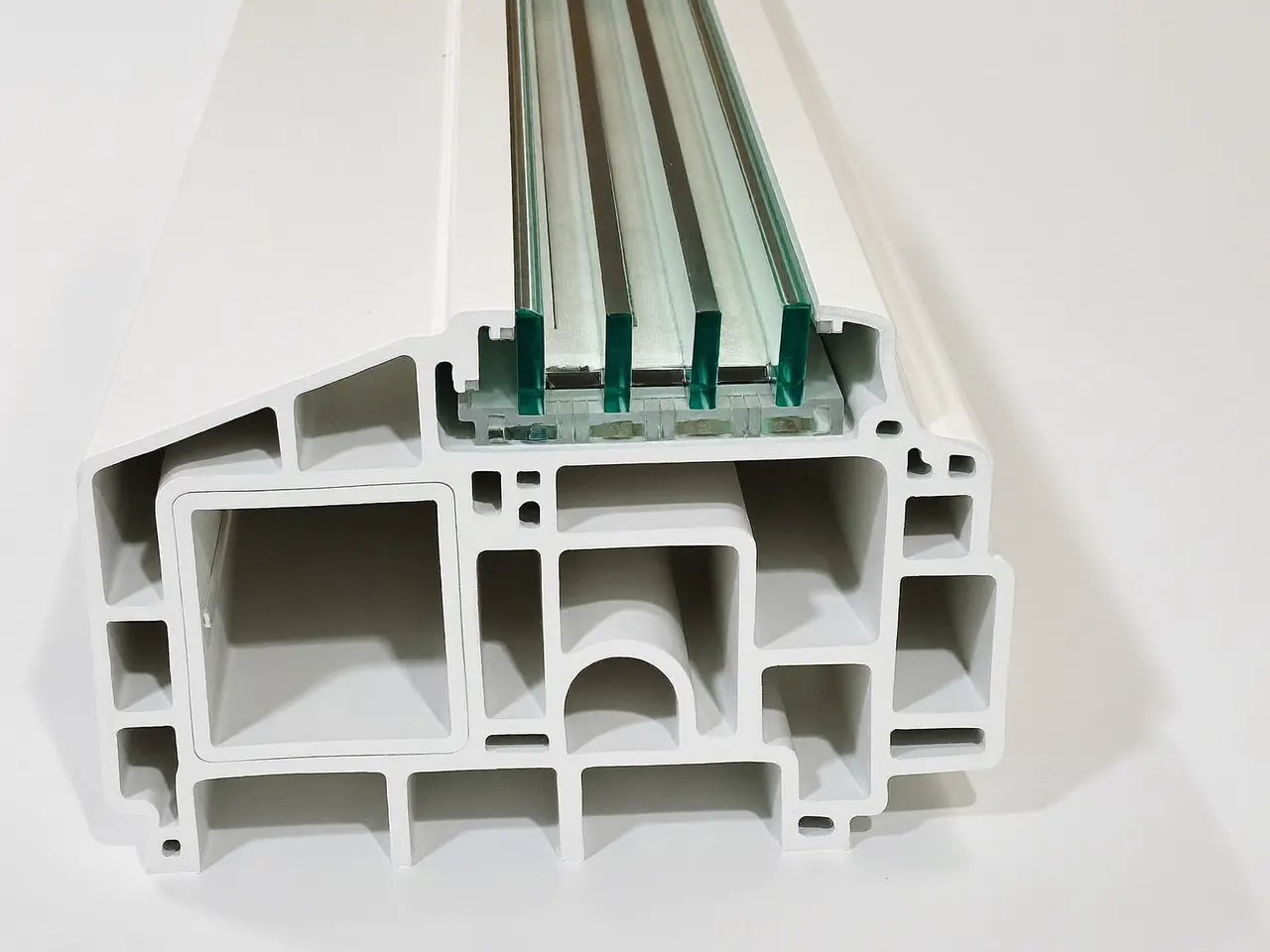
Step five: the second seal
Finally, the channel around the outside of the spacer is filled with a secondary seal — a structural adhesive such as polyurethane or silicone — that bonds the whole unit together and gives it rigidity and long-term durability. With both seals in place the gas is locked in, the desiccant keeps the cavity dry, and the coating is protected from the air. The performance is now sealed; nothing can be adjusted afterwards, which is exactly why the build quality matters.
Why it matters for you
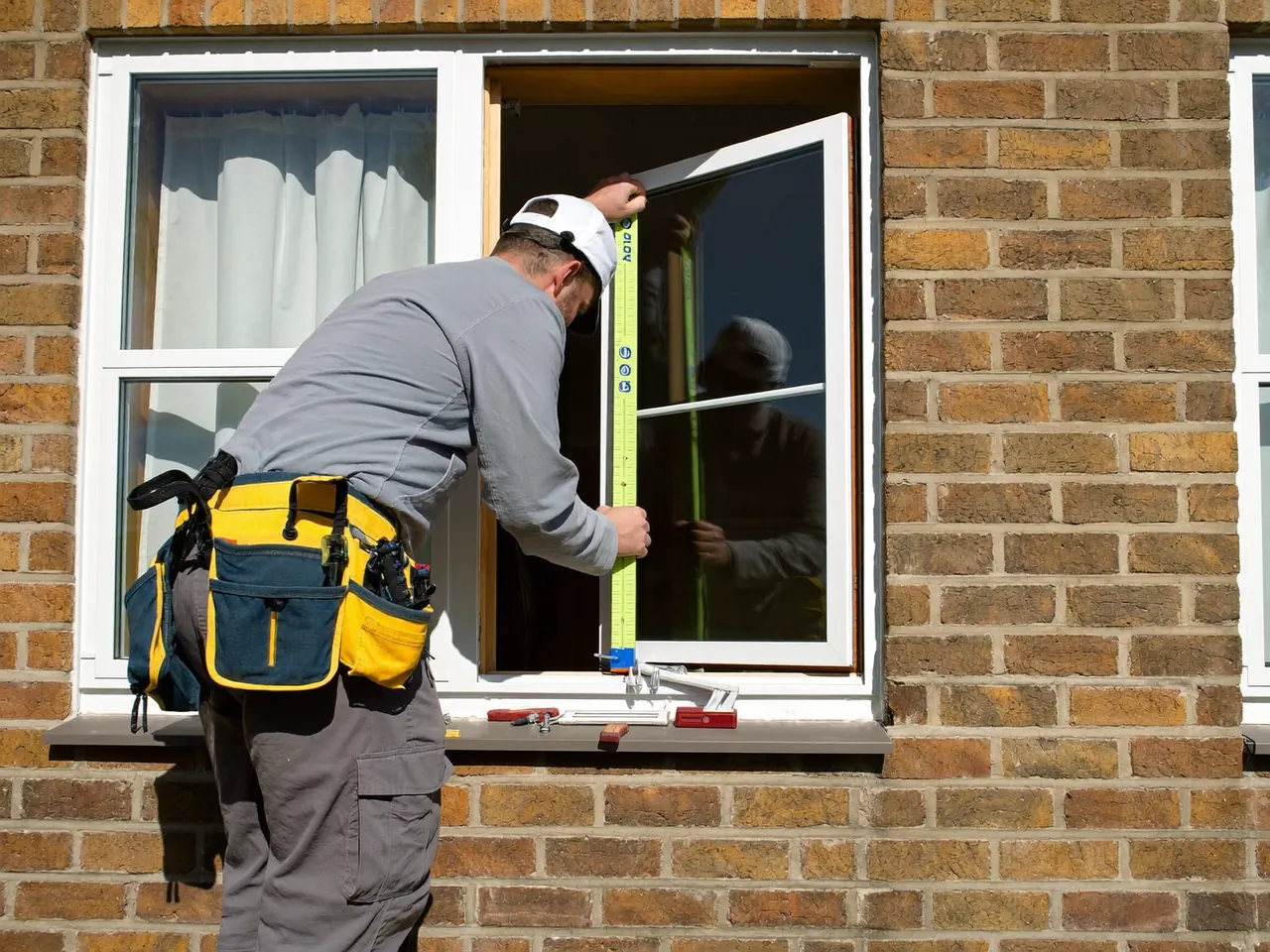
A unit built this way should stay clear and efficient for many years. When a seal fails, moisture gets in and the cavity mists between the panes — a sign the unit needs replacing rather than cleaning. When you compare suppliers it helps to know what to look for on a glazing quote and to match the tech to your frame material. For the ratings picture, read up on U-values and window energy ratings explained, and if budget is the barrier you may be able to spread the cost with funded glazing, subject to eligibility and a home survey.
Any durability or efficiency figures here are indicative typical ranges from Energy Saving Trust and manufacturer data rather than guarantees; your own result depends on the units and the fit.